
Article
Lead Gen
From Cold to Closed: Mapping a Modern B2B Demand Generation Funnel
Michael Larmon
|
In B2B marketing, the days of relying on a single channel—whether it was cold calls, trade shows, or paid ads—are long gone. Today’s buyers are savvy, self-directed, and digital-first. Winning their attention, nurturing their trust, and closing the deal requires more than just one-off campaigns. It requires a carefully mapped, multichannel demand generation strategy that transforms cold prospects into loyal customers.
Let’s break down what that funnel looks like and how a modern mix of paid, organic, and intent-based strategies can get you from cold to closed.
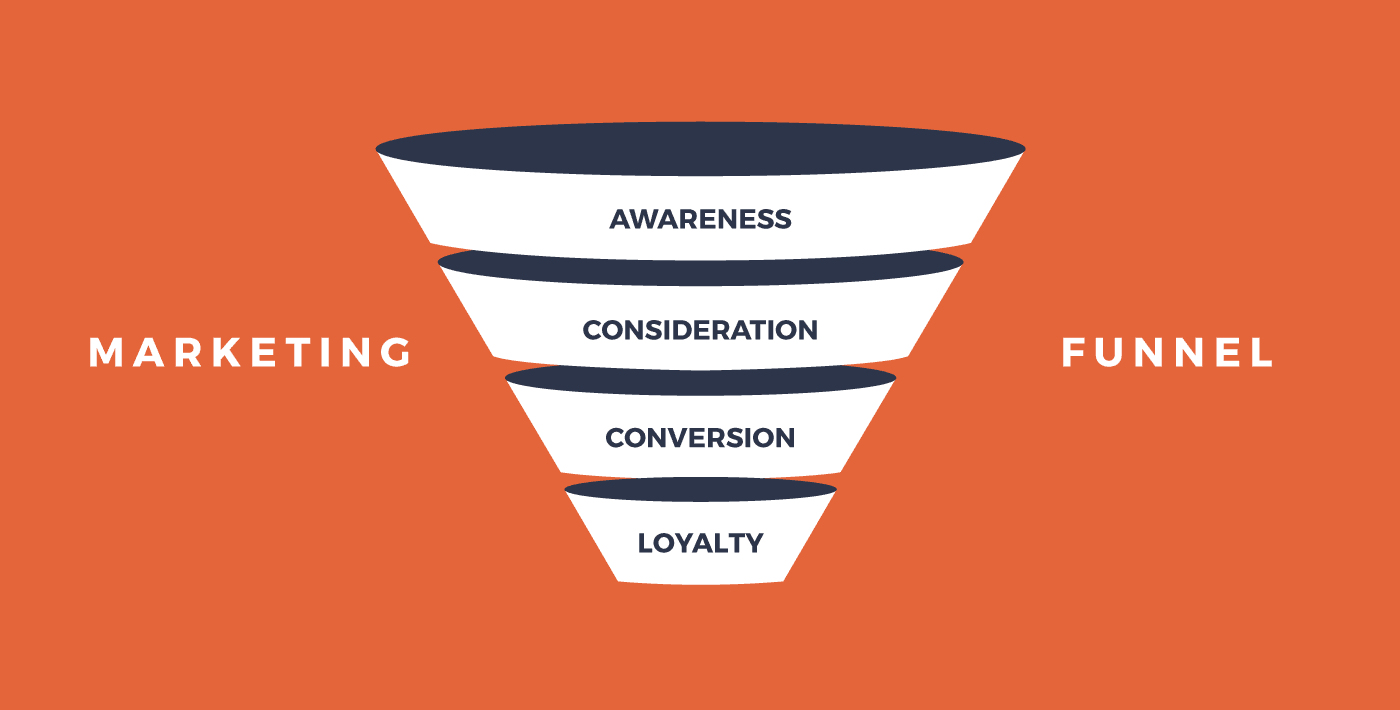
Step 1: Building Awareness (Paid + Organic)
At the top of the funnel, the challenge is visibility. Most buyers aren’t actively looking for your solution yet, so your job is to put your brand where they are.
- Paid Media: LinkedIn ads, Google Ads, and retargeting banners allow you to create instant awareness in front of tightly defined B2B audiences.
- Organic Content: Blogs, thought leadership posts, and SEO-driven resources (see: Marketing Metrics That Actually Matter to the C-Suite) help you build authority and capture early-stage traffic. Over time, this creates compounding visibility that paid ads alone can’t deliver.
The key here is consistency. Paid gets you in front of prospects immediately, while organic content ensures you stay discoverable and relevant long after the ad spend runs out. For more, see HubSpot’s guide to demand generation marketing.
Step 2: Generating Engagement (Intent + Nurture)
Once awareness is established, engagement is what moves buyers forward. This is where intent-based outreach becomes a game changer.
- Intent Data: Platforms like 6sense, Demandbase, or Bombora surface accounts actively researching your category. This lets you focus resources on prospects already showing buying signals, rather than shouting into the void.
- Nurture Sequences: Email campaigns, webinar invites, and targeted content offers (like guides, checklists, or calculators) keep prospects engaged. This isn’t about pitching—it’s about educating, addressing pain points, and positioning your brand as the go-to partner. See how our lead generation services support this stage.
Here, the goal is to warm up leads by demonstrating relevance and value.
Step 3: Driving Conversion (Multichannel Plays)
Conversion happens when engagement turns into direct conversations with your sales team. A multichannel strategy ensures you’re meeting buyers where they are.
- Outbound + Inbound Sync: SDRs should align their outreach (calls, personalized emails, LinkedIn messages) with ongoing campaigns to reinforce your message.
- Event & Webinar Follow-Up: Post-event touchpoints are prime opportunities to accelerate deals. Personalized follow-up with key takeaways shows prospects you’re paying attention.
- Retargeting with Purpose: Dynamic ads reminding buyers of specific content they engaged with nudge them toward scheduling that demo or discovery call.
For more, check out our article on building a sales-ready pipeline.
Step 4: Closing the Deal (Enablement + Trust)
By the time prospects reach the bottom of the funnel, the focus shifts from education to reassurance.
- Sales Enablement: Arm your team with case studies, ROI calculators, and industry-specific proof points that directly address buyer concerns.
- Customer Advocacy: Showcase testimonials, video stories, or peer reviews (G2 explains why reviews matter) to reinforce credibility.
- Smooth Handoffs: Marketing and sales alignment ensures there are no gaps between interest and contract. Nothing kills momentum like a dropped ball.
Trust, proof, and process are the linchpins that turn a decision-maker’s “maybe” into a “yes.”
The Power of Multichannel Integration
Here’s the reality: no single channel wins the deal. Paid creates awareness, organic builds trust, intent data drives efficiency, and outreach converts interest into revenue. When woven together into a seamless demand generation funnel, these pieces create momentum that moves prospects smoothly from cold to closed.
The companies winning in B2B right now aren’t just running campaigns—they’re orchestrating an ecosystem. And the payoff isn’t just more leads; it’s higher-quality opportunities, faster sales cycles, and better alignment between marketing and sales.
Takeaway: A modern B2B demand generation funnel is multichannel by design. Success comes from integrating paid, organic, and intent-driven strategies into one cohesive journey that builds awareness, nurtures engagement, and drives measurable revenue.
Want to see how this works in action? Explore our Fractional CMO services and learn how we help companies accelerate growth with a 90-day impact plan.