
Article
Thought Leadership
How to Calculate Marketing ROI for Your Business
Michael Larmon
|
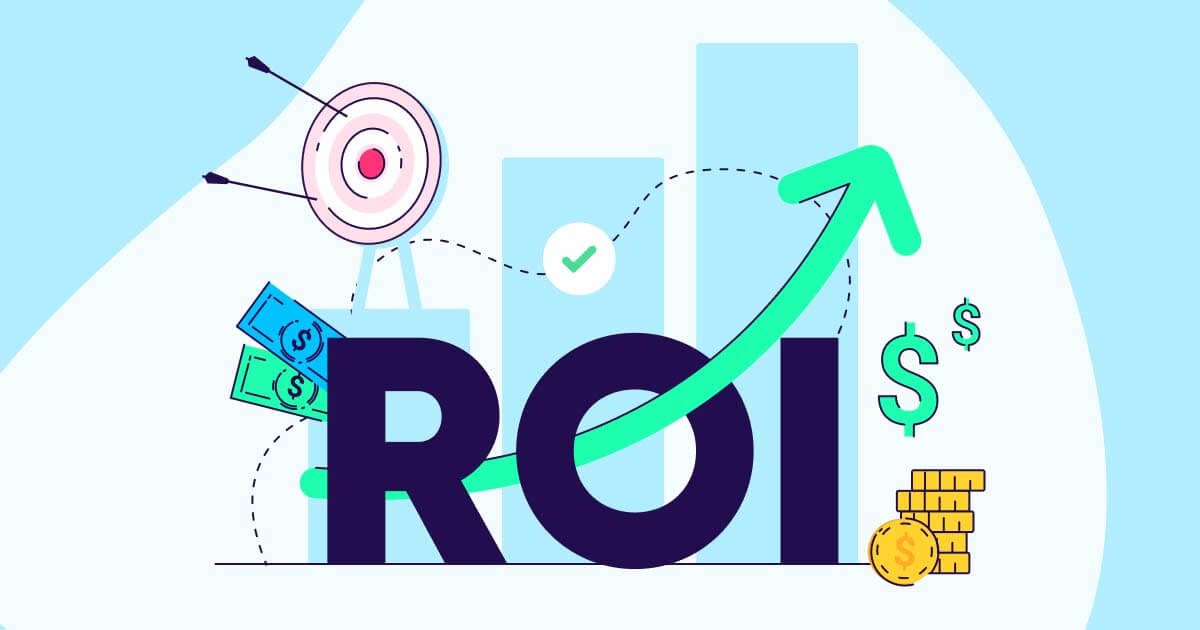
If you’re running marketing campaigns without tracking ROI, it’s like playing darts in the dark—you might hit the target, but you’ll never really know. And here’s the truth: calculating marketing ROI isn’t just a “nice-to-have.” It’s the difference between guessing what works and knowing what’s worth your budget.
Why ROI Matters More Than Vanity Metrics
Clicks, likes, and shares feel good. But here’s the catch—they don’t always move the revenue needle. The C-suite doesn’t care how many people “liked” your post if those likes didn’t turn into paying customers.
Marketing ROI flips the script. It connects the dots between what you spend and what you earn. That’s the number that matters when you’re asking for more budget, defending a campaign, or deciding what to cut.
And yes, ROI is more than a spreadsheet number. It’s proof your strategy is actually working.
The Basic Formula (And Why It’s Only the Start)
The simplest way to calculate marketing ROI looks like this:
ROI (%) = (Revenue Attributable to Marketing – Marketing Cost) / Marketing Cost × 100
Example:
If you spent $50,000 on a campaign and generated $200,000 in revenue directly tied to that campaign:
ROI = ($200,000 – $50,000) ÷ $50,000 × 100 = 300%
That’s great—but here’s the thing. The “revenue attributable to marketing” part is where many businesses get stuck. Without proper tracking, attribution, and follow-up, that number’s a guess. And a guess will get torn apart in a boardroom.
The Attribution Puzzle
Here’s where it gets messy. Your prospect might first see your brand on LinkedIn, click an ad two weeks later, read three blog posts, and finally talk to a salesperson after a webinar. Which channel gets the credit?
Attribution models—like first-touch, last-touch, or multi-touch—try to solve this. Each has pros and cons:
- First-touch: Credits the first interaction. Great for awareness measurement, but misses the nurture phase.
- Last-touch: Credits the final interaction before the sale. Simple, but ignores earlier brand-building work.
- Multi-touch: Assigns value to every touchpoint. More accurate, but complex and data-hungry.
No single model is perfect, but picking one and applying it consistently is far better than making assumptions.
Tools That Make Tracking Easier
You don’t need to reinvent the wheel—plenty of tools are built for tracking ROI.
- Google Analytics 4: Essential for tracking user journeys and conversions across web and app.
- HubSpot: Ties marketing campaigns directly to CRM data so you can see actual revenue impact.
- Salesforce Marketing Cloud: A heavyweight option for enterprise-level attribution and reporting.
The trick isn’t having the tools—it’s setting them up correctly and making sure your team actually uses them.
Don’t Forget the Time Factor
Marketing ROI isn’t always immediate. Some channels (like PPC) can deliver quick wins. Others—think SEO, content marketing, or brand campaigns—might take months to pay off.
If you’re calculating ROI too early, you might pull the plug on something that’s about to deliver big results. On the flip side, holding onto a dead campaign because “it might turn around” can drain your budget fast.
Set clear timelines for ROI reviews—quarterly for slower-burn campaigns, monthly for fast-moving ones.
The Context Behind the Numbers
A 200% ROI sounds amazing—until you realize your competitor is getting 400% from the same channel. ROI should be viewed alongside other metrics like:
- Customer Lifetime Value (CLV): High ROI on one sale means less if your customer never buys again.
- Cost Per Acquisition (CPA): Helps you understand how much you’re paying for each customer.
- Retention Rate: Great ROI on first-time customers is wasted if you can’t keep them.
ROI is powerful, but it’s only one piece of the bigger marketing performance puzzle.
Bringing It All Together
Calculating marketing ROI isn’t hard in theory—it’s making sure you have the right data, the right attribution model, and the discipline to track consistently that separates the pros from the guessers.
Here’s the quick reality check:
- Define your revenue attribution process.
- Track your spend down to the penny.
- Choose an attribution model and stick with it.
- Review ROI regularly and adjust.
If you do this well, your ROI number becomes more than a report—it becomes your strongest argument for bigger budgets, better campaigns, and smarter marketing decisions.