
Stop Chasing Tactics: How to Build a Marketing Strategy That Actually Scales
Michael Larmon
|
You don’t need another tool. Or another campaign idea. Or another agency promising leads.
What you need is a marketing strategy that supports business growth—and scales with it.
At White City Consulting Group, we see it all the time: companies doing “all the things”—paid media, content, events, email—without a unifying strategy to tie it all together. The result? Fragmented messaging, wasted budget, and frustrated sales teams.
Here’s how to fix it.
1. Start with Your Business Goals
Every successful marketing strategy starts with clear business outcomes. Are you looking to drive top-of-funnel awareness? Launch a new product? Retain existing customers? Scale into a new market?
Your strategy should serve the business first—not marketing for marketing’s sake.
2. Map the Full Funnel
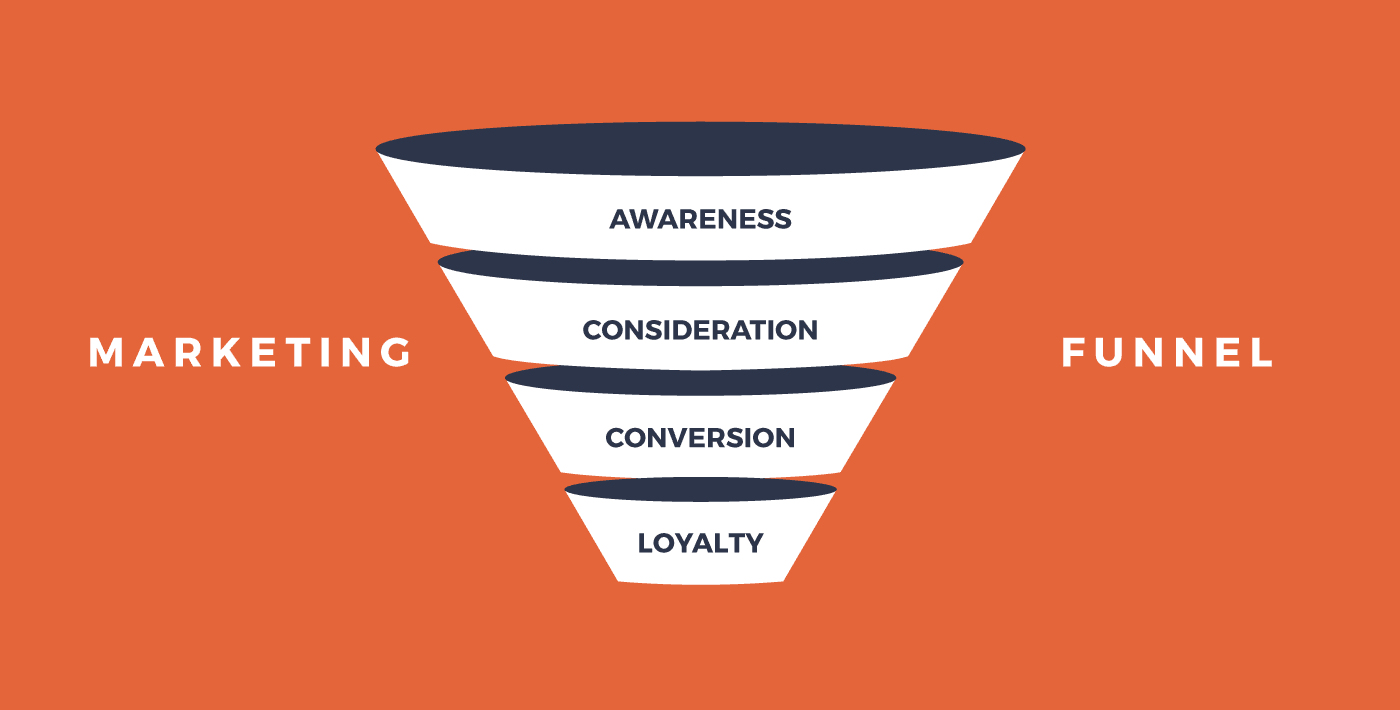
Too often, companies focus only on lead generation. But scalable marketing covers the entire funnel:
- Awareness: content, social, paid media
- Consideration: email nurture, webinars, remarketing
- Decision: sales enablement, case studies, live demos
A strong strategy creates seamless transitions across all funnel stages.
3. Align with Sales and Product
Cross-functional alignment isn’t a luxury—it’s a necessity.
- Does sales have what they need to close?
- Are you launching features no one’s ready to market?
- Is marketing messaging aligned with what the market actually cares about?
A scalable strategy includes regular syncs with sales, product, and executive leadership.
4. Choose Channels That Scale
Not all marketing channels are created equal. Some are built for quick wins; others are long-term plays.
Scalable channels often include:
- Organic SEO and content marketing
- Partner or affiliate programs
- Influencer or thought leadership collaborations
- Account-based marketing (ABM) for B2B
Choose the mix that supports both immediate goals and future growth.
5. Measure What Matters
If you’re not tracking it, you can’t scale it. Define success metrics tied to business performance—not vanity numbers.
Smart metrics include:
- Pipeline influenced by marketing
- MQL-to-SQL conversion rate
- CAC payback period
- Content engagement tied to revenue
Build a dashboard that sales and leadership actually care about.
Final Thoughts
Strategy isn’t a slide deck you build once and forget. It’s a living system.
When you stop chasing the latest tactic and commit to a strategy-first mindset, your marketing efforts become more aligned, more efficient, and—most importantly—more impactful.
Let White City Consulting Group help you build a strategy that scales.